Key Takeaways
- The brain is biologically primed for lasting neural rewiring during specific live moments, relational ruptures, high-stakes decisions, emotional flashpoints, and conventional methodologies almost always arrive after that window has closed.
- Real-Time Neuroplasticity™ is the methodological translation of this timing constraint: intervene while the relevant circuits are firing and the neurochemical environment supports structural change, rather than discussing the moment retrospectively when the receptive state has ended.
- The persistent gap between insight and behavior is not a willpower problem but a neural-availability problem: insight builds in the prefrontal narrative circuit while the amygdala, basal ganglia, and default mode network that drive live-moment behavior remain unchanged by retrospective work.
- The embedded partnership model is the operational requirement of real-time work, not a luxury feature; micro-roster exclusivity is the constraint that makes in-the-moment access possible, and the field is steadily converging on the embedded model as memory-reconsolidation and prediction-error research validates what real-time practice has long required.
The reason traditional approaches to behavioral change keep failing the people who try them is not effort. It is timing. The brain is biologically primed for lasting neural rewiring during specific live moments (a relational rupture, a high-stakes decision, an emotional flashpoint) and almost every conventional methodology arrives after that window has closed. My work intervenes inside the window.
I call it Real-Time Neuroplasticity™, and it is the methodology that organizes everything I do with the small number of clients I work with at any given time. The premise is straightforward: the neural pathways that produce a client’s behavior, decisions, and emotional responses are most malleable during the moments those pathways are firing. Discuss the moment retrospectively in a quiet office two weeks later, and the brain is no longer in the receptive state where structural change consolidates. Intervene during the moment itself, and the same neural substrate is in the state where targeted experience is most likely to drive lasting change.
Why the Conventional Paradigm Plateaus
The people who find their way to my practice have typically already done meaningful work. Years of personal-development work. A round or two of coaching. Self-directed reading and structured reflection. They arrive intellectually clear on their patterns and still living inside them. The reason is mechanical, not motivational. Retrospective work activates the prefrontal cortex in narrative mode while the amygdala, the basal ganglia, and the default mode network (the circuits that actually drive behavior in the live moment) sit dormant. Insight builds in one circuit while the executing circuits remain unchanged. The gap between knowing and doing is not a willpower problem. It is a neural-availability problem.

What Real-Time Intervention Actually Looks Like
My clients reach me when their nervous systems are activated, not after they have already settled. A text message from a board meeting. A call from the car on the way to a difficult conversation. A real-time check-in during a relational confrontation that historically would have triggered the same maladaptive pattern. The intervention happens in those minutes, while the relevant circuits are firing and the neurochemical environment supports neural rewiring. Decades of work by Pascual-Leone, Doidge, Draganski, and others have established that the adult brain reorganizes its grey-matter architecture in response to targeted experience, and that the rate of reorganization depends heavily on emotional salience and timing. Real-Time Neuroplasticity™ is the operational translation of that mechanism into a sustained partnership.
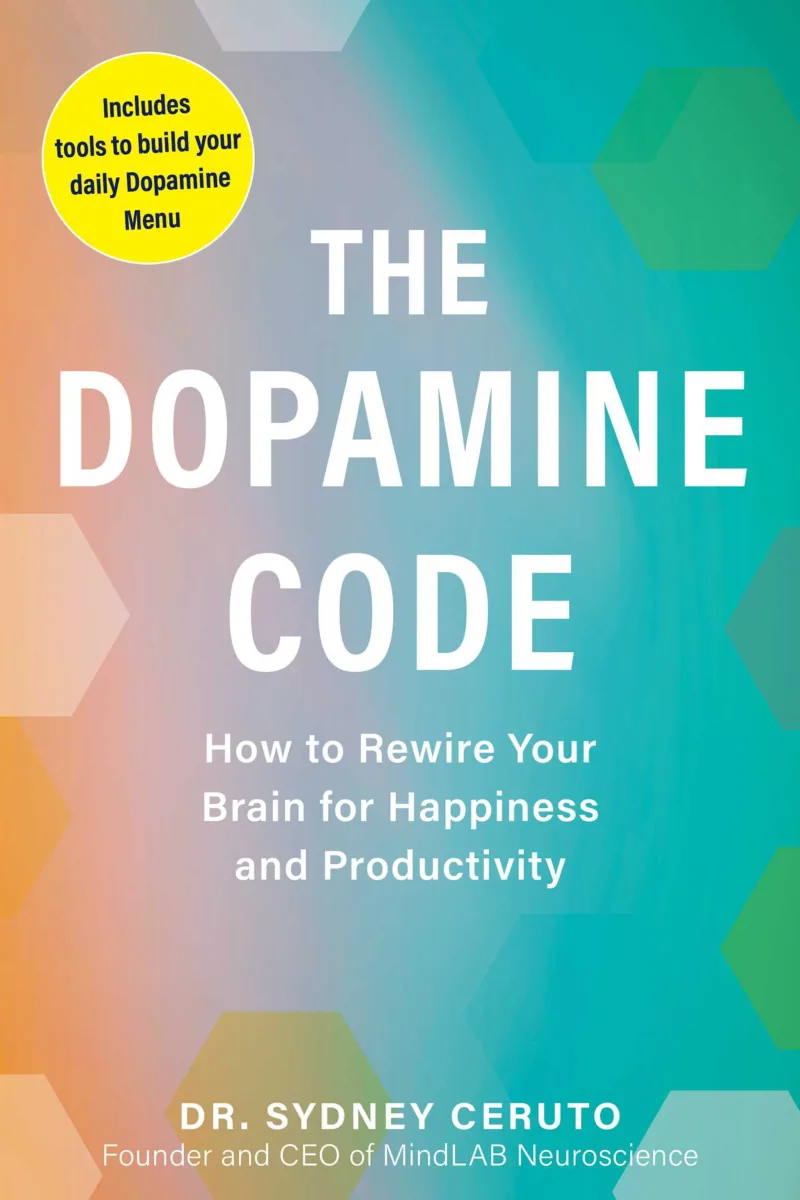
Which circuits get reinforced in the first place is shaped heavily by the brain’s reward and motivation systems, the deeper mechanics of how dopamine drives motivation and behavior help explain why certain patterns entrench so persistently.
Why the Window Exists, and One Way It Opens
The window is not a metaphor. When a familiar trigger fires (the email that lands wrong, the meeting that tilts, the conversation that turns) the brain does not instantly re-run its old pathway. For a brief interval the circuit sits in an unstable, re-writable state: the stimulus has arrived, but the response has not yet locked. Memory-reconsolidation research describes the same interval from the other side, showing that an activated memory briefly returns to a malleable state in which its underlying representation can be rewritten before it restabilizes. Prediction-error studies find that learning is strongest precisely when an outcome diverges from what the brain expected, and fear-extinction work has timed windows in which the amygdala will accept new associative learning at several times its usual rate. What ties them together is plain: the more emotionally charged and the more immediate the moment, the more plastic the circuit. It is most teachable while it is still hot.
That is why timing is the mechanism here, not a scheduling preference. Work delivered inside the window acts on tissue that is briefly ready to change; the same words delivered outside it act on tissue that has already reset.
A composite from my practice makes the contrast concrete. Someone I work with has a pattern: under a particular kind of confrontation, they go quiet, concede, and leave having abandoned a position they were right about. For years they understood it perfectly, in the calm afterward. We had mapped it together, and the understanding still never reached the moment. So the work moved into the moment itself: a real-time contact during the confrontation, while the threat response was climbing and the old circuit was firing. The intervention in those few minutes is small: a redirection of attention, a reappraisal offered before the response completes, a physiological reset, but it lands on a circuit that is still forming rather than one that has already fired and hardened. Repeated across the live instances, the pattern begins to settle differently. The retrospective version of that same conversation, two weeks later, changes the story the prefrontal cortex tells about it without reaching the subcortical circuitry that produced the behavior, because by then that circuitry is dormant and stable.
How that real-time access is actually structured (the depth of immersion, the way an engagement is built around the moments that will not wait) is the protocol itself, documented on the MindLAB Neuroscience methodology page. What matters here is the science underneath it: the brain rewires in the moment it is engaged, not in the moment it is described.
The Embedded Partnership Model
For this work to function, the relationship cannot follow the conventional weekly-session structure. I embed into a client’s life across every domain (professional, personal, relational) and remain available in the moments the work actually needs to happen. This is the operational requirement of the methodology, not a luxury feature. The micro-roster I keep at any given time is the constraint that makes the access possible. Real-time partnership cannot scale, and that is the point. The clients who do this work are not buying more attention. They are buying intervention at the only moment the brain will accept it.
What the Field Is Beginning to Recognize
The convergence is happening. Neuroscience research over the past decade, on memory reconsolidation, on prediction error and basal ganglia plasticity, on the temporal dynamics of fear extinction, is steadily validating what real-time work has always required in practice: the brain rewires in the moments it is engaged, not in the moments it is discussed. The next generation of neuroscience-informed practice will look less like the structured-session model that defined the twentieth century and more like the embedded, in-the-moment model I have been refining for over 26 years. The work continues.
Frequently Asked
How does intervening in the live moment produce different neural outcomes than retrospective work?
The distinction is temporal, not theoretical. Structured-session formats (the dominant model of twentieth-century neuroscience-informed practice) discuss events that have already concluded, often days or weeks after the relevant circuits last fired. By the time the client is seated in a quiet office, the amygdala has down-regulated, the prefrontal narrative system is back online, and the receptive window for structural rewiring has closed. Real-Time Neuroplasticity™ works in the opposite direction: the intervention reaches the client while the circuits are firing and the neurochemical environment supports change. Same brain regions, same end goal of behavioral and emotional rewiring; the timing of intervention is what diverges.
Is there evidence that the timing of intervention actually matters at the level of brain change?
Yes, and the evidence has strengthened substantially over the past decade. Memory reconsolidation research demonstrates that activated memories enter a malleable state in which the underlying neural representation can be updated; prediction-error work in the basal ganglia shows that learning is strongest when expectation and outcome diverge in real time; fear-extinction research has mapped windows during which the amygdala accepts new associative learning at rates several times baseline. The common thread is that emotional salience and temporal proximity drive plasticity. Working inside those windows is mechanistically distinct from working outside them.
Why do you work with such a small number of clients at a time, and is that a business limitation?
It is the operational requirement of the methodology rather than a business choice. Real-time access means being available at the moments my clients’ circuits are actually firing, which cannot be scheduled in advance and cannot scale. A roster that fits a structured-session calendar can serve more people; a roster that supports real-time intervention cannot. The constraint is the feature. Clients who do this work are not paying for more time. They are paying for intervention at the only moment the brain will accept the rewiring.
I have already done years of reading, reflection, and personal-development work, so why hasn’t the pattern changed?
Because insight and behavior run on different circuits. The reading, reflection, and personal-development work you have already done build understanding in the prefrontal cortex, while the circuits that actually drive the behavior in the live moment, the amygdala and basal ganglia, sit dormant during that calm analysis. So you end up intellectually clear on the pattern and still living inside it. The gap between knowing and doing is not a willpower problem. It is a neural-availability problem, and it closes only when the work reaches the circuits while they are firing.
What does an in-the-moment intervention actually consist of?
It is deliberately small. A redirection of attention, a reappraisal offered before the response finishes forming, a physiological reset, delivered in the few minutes while the old circuit is firing and the threat response is still climbing. The size is the point: a light touch landing on a circuit that is briefly unstable and rewritable does more than an intensive conversation landing on one that has already fired and hardened. Repeated across the live instances, the pattern begins to settle differently.
How long does the window for rewiring stay open after a trigger fires?
Only briefly. When a familiar trigger fires, the brain does not instantly re-run the old pathway; for a short interval the circuit sits in an unstable, rewritable state, the stimulus arrived but the response not yet locked. Memory-reconsolidation and fear-extinction research describe the same narrow opening, in which an activated circuit will accept new learning at several times its usual rate. The circuit is most teachable while it is still hot, which is why the timing of the intervention, not its length, is what matters.
References
- Pascual-Leone, A., Amedi, A., Fregni, F., & Merabet, L. B. (2005). The plastic human brain cortex. Annual Review of Neuroscience, 28, 377-401. https://pubmed.ncbi.nlm.nih.gov/16022601/
- Draganski, B., Gaser, C., Busch, V., Schuierer, G., Bogdahn, U., & May, A. (2004). Neuroplasticity: changes in grey matter induced by training. Nature, 427(6972), 311-312. https://pubmed.ncbi.nlm.nih.gov/14737157/
- Doidge, N. (2007). The Brain That Changes Itself: Stories of Personal Triumph from the Frontiers of Brain Science. Viking. https://en.wikipedia.org/wiki/The_Brain_That_Changes_Itself
- Nader, K., Schafe, G. E., & LeDoux, J. E. (2000). Fear memories require protein synthesis in the amygdala for reconsolidation after retrieval. Nature, 406(6797), 722-726. https://pubmed.ncbi.nlm.nih.gov/10963596/
- Schultz, W. (2016). Dopamine reward prediction-error signalling: a two-component response. Nature Reviews Neuroscience, 17(3), 183-195. https://pubmed.ncbi.nlm.nih.gov/26865020/